
Prevention and Public Health Fund



One of the controversial elements of the Affordable Care Act is creation of the Prevention and Public Health Fund, which sets aside about $15 billion to finance public health programs over the next decade. Under the program, the Health and Human Services department awards grants for projects that prevent illness or promote health. For example, since 2010, HHS has awarded more than $42 million to organizations in California for a variety of programs including training more primary care residents, building laboratory capacity, and reducing tobacco use.
Supporters of the program say that it is an important investment in prevention that will ultimately save money by detecting diseases early and better managing costly chronic conditions. Opponents have deemed it a "slush fund" and are seeking to eliminate it. In April, the House-approved legislation that would dismantle the Fund; however, the Senate has not taken action on the bill. The Prevention Fund could also be a target for cuts by the Joint Select Committee on Deficit Reduction, which is tasked with cutting $1.5 trillion from the federal budget this fall.
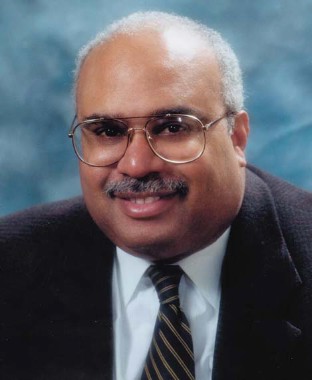
Dr. Georges C. Benjamin, executive director of the American Public Health Association (APHA), offers his views on why the Prevention Fund is essential to public health and how it may fare in the current political environment.
QUESTION: Why do you think the Prevention Fund has been caught up in politics?
DR. BENJAMIN: I think the Prevention Fund has been grossly misunderstood. For years, public health has been the most underinvested part of our health system. We’ve had "yo-yo" funding with a patchwork of funding streams. The goal of the Prevention Fund was to build on our existing funding sources and, for the first time, create a stable, reliable funding stream, which would allow the system to mature and reach its full potential. People who want to demonize the fund have said things that don’t represent its intent. The money is being used to build a sustainable public health system and really begin to transform the health system, which I believe will dramatically improve the health and well-being of the people in our country.
QUESTION: The APHA supported the creation of the Prevention Fund. Why is this type of investment important?
DR. BENJAMIN: I spent most of my early years in emergency medicine, so I’ve seen first-hand the effects of preventable disease. At APHA, we felt this was the best opportunity to tackle diseases that we should try to reduce from moral, ethical, and humanistic perspectives. But from a pure fiscal perspective, this is also our best chance to address some of our health care costs. If we don’t do this now, it’s going to be years before we can actually begin to get our hands around it. To have a major national restructuring of the way we deliver health care services, and not put in a prevention component would be foolhardy.
QUESTION: Can prevention efforts like this really save money?
DR. BENJAMIN: It depends. Just like in clinical care, there are things that save money and there are things are expensive but have enormous value. And then there are some things that can either cost or save money depending on the situation. We know that screening for high blood pressure is cheap. We know that identifying early who has high blood sugar and high cholesterol is cheap. We believe that ultimately these people, whose conditions have been identified and controlled early, will live longer and healthier and save the system money. For instance, every patient with diabetes that does not progress to diabetic retinopathy represents as a huge savings for the health system. But what often doesn’t get captured in our economic analyses is the others savings outside of health care. For example, if a child doesn’t get exposed to lead because of a good public health program and they don’t suffer the complications from the lead exposure, there are savings to the health system but also savings to other sectors. In that case, we don’t count the savings from special-education programs. We don’t count the potential savings to the juvenile justice system. When folks say prevention it doesn’t save money, they are usually looking only in the health bucket.
QUESTION: Do you think the Prevention Fund is likely to survive in the long run?
DR. BENJAMIN: Yes. The Prevention Fund will survive. We will make our case. If our nation is going to continue to throw $2.5 trillion into health care, to only spend about 3% of that on prevention is poor public policy. I hope that we’ll be able to make the case that not only is this Fund needed, but that the amount of money dedicated to this area must grow.

