
Lakshmi Halasyamani, M.D.: Putting patients at the center of safety


Chief medical officer, Cogent Healthcare, Brentwood, Tenn.
Attending physician, St. Joseph Mercy Ann Arbor Hospital, Ypsilanti, Mich.
Winner of 2013 Keystone Center Patient Safety and Quality Leadership Award, Michigan Health & Hospital Association
When the news broke of a fungal outbreak from contaminated steroid injections in September 2012, Dr. Lakshmi Halasyamani was initially relieved that her patients at St. Joseph Mercy Ann Arbor Hospital in Ypsilanti, Mich., were unaffected. But that feeling didn’t last. Shortly after the first cases were identified in other states, the infectious disease physicians at St. Joseph realized they were also seeing infected patients.
Dr. Halasyamani, who was then the chief medical officer at St. Joseph, began coordinating their response. The problem was that there were no clinical guidelines or treatment protocols, and when patients asked if they would get better, the doctors didn’t know. Dr. Halasyamani and her team decided to take a proactive approach and contacted all area patients who were believed to have received tainted injections. They performed hundreds of MRIs and soon opened an outpatient fungal outbreak clinic so patients could receive ongoing care.
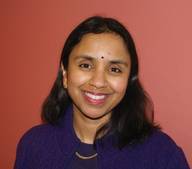
In an interview with Hospitalist News, Dr. Halasyamani, who is now the chief medical officer at Cogent Healthcare, Brentwood, Tenn., reflected on her experience managing the outbreak and how hospitalists can improve patient safety on a day-to-day basis.
Question: Your hospital treated more patients affected by the fungal outbreak than any other. How did you manage the response?
Dr. Halasyamani: We assembled a team with a lot of different skills and capabilities. One of the first things we did was to build a registry of these patients. We needed to first understand who was in this population and then how best to connect and reach out to them. In the first few weeks of the outbreak, we probably did several hundred lumbar punctures in our emergency department. We had to expand the capacity of our hospital because at the peak of the outbreak, we had almost 90 patients with this fungal infection in our 530-bed institution. It really taxed our bed and patient care management capacities. As a member of Trinity Health, we were able to partner with our colleagues in other institutions, who assisted us with personnel and in procuring adequate supplies of medications.
Once we had the registry in place, we made a conscious decision as an institution to proactively work with these patients. We reached out to every patient and conducted more than 400 MRIs. Very early on in the outbreak, we had an experience in which a patient who had been exposed to an injection presented to the physician with absolutely no symptoms. Even though the patient was asymptomatic and there were no findings on exam, the treating physician was uncomfortable and decided to do an MRI, which showed extensive infection. What that said to us was that our usual tools of history and physical exam were not reliable enough as a screening tool.
As we moved through the outbreak, which was initially acute care focused and highly uncertain, it changed to a more chronic care approach, so we set up a fungal outbreak clinic, where we managed these patients and tried to optimally coordinate their care. The 629 patients were distributed to many, many outpatient physicians, and rather than try to educate all of the outpatient physicians on a standard approach, we decided to have all the patients come to the clinic and communicate with their physicians.
One of the philosophical decisions we made was that when people are uncertain about what to do, it’s really important to limit variation. To do this efficiently, we standardized and centralized our resources and expertise.
Question: Is there anything hospitalists can do in advance to help prepare their hospitals for similar outbreaks?
Dr. Halasyamani: One of the key things that hospitalists can do is to be involved in emergency-preparedness efforts at their institution. Frequently physicians are not part of those planning efforts. So hospitalists can be really instrumental not only in helping to write scenarios for emergency-preparedness drills, but also as participants in the drills. We believe training is important for everybody, but sometimes we think it’s not important for us to practice. What allows you to be prepared in a crisis or emergency is to actually practice those skills.
Even a surge in patient volume can serve as an opportunity to use those skills. There are lots of things that happen week to week that we could probably manage better if we did some training around the specific outcomes that we wanted to optimize.
Question: Patient safety has been a big focus for you. What are some system-level changes that all hospital medicine programs should be making to ensure safety is a top priority?

