
Times change, but children still come first


After decades of pediatric practice, Thomas K. McInerny, MD, still accentuates the positive. “I decided to become a pediatrician in my third year of medical school after my pediatrics rotation. I loved working with the children and their families so full of joy and hope,” he said. “I still feel that pediatrics is the greatest profession despite some frustrations with rules, regulations, and computer work.”
Many childhood diseases, including birth defects and forms of cancer that were fatal 50 years ago, now can be treated successfully, he noted. “However, there are more children with emotional, behavioral, and school problems, which pediatricians are now treating as there is a great shortage of mental health professionals for children.”
Although the dedication of pediatricians to their specialty has remained strong over the past 50 years, their work environment has evolved in many ways.
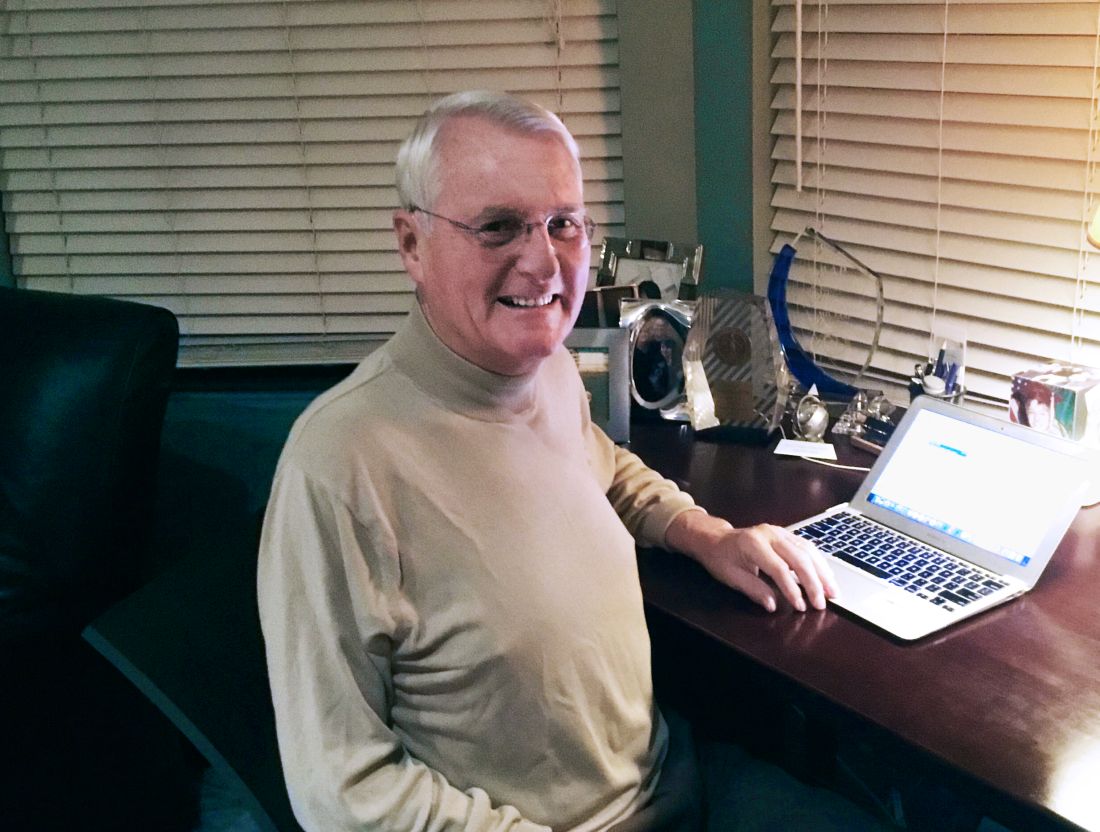
David T. Tayloe Jr., MD, also a past president of the AAP, currently practices in Goldsboro, N.C. When he established a solo community practice in 1977, he was one of a few pediatricians in the area, and he was busy. “I was the only pediatrician who could take care of really sick newborns and hospital patients, so I basically was available 24-7 for those first 2 years; there were two older pediatricians in town, and they took routine night call with me, giving me some time with my family,” he said. “With 1,500 deliveries a year at our hospital, there were always sick babies who needed my services. My office hours were 9 a.m. until 5 p.m. but often, in the cooler months, we saw patients until 8 p.m.” These days, Dr. Tayloe said he works 3-4 days in the office, and “my practice is largely behavioral health, school problems, obesity, asthma, and well-baby/child care.”
“In the last 20 years, my typical work day has changed in many ways,” said Julia Richerson, MD, who practices at the Family Health Center Iroquois office in South Louisville, Ky.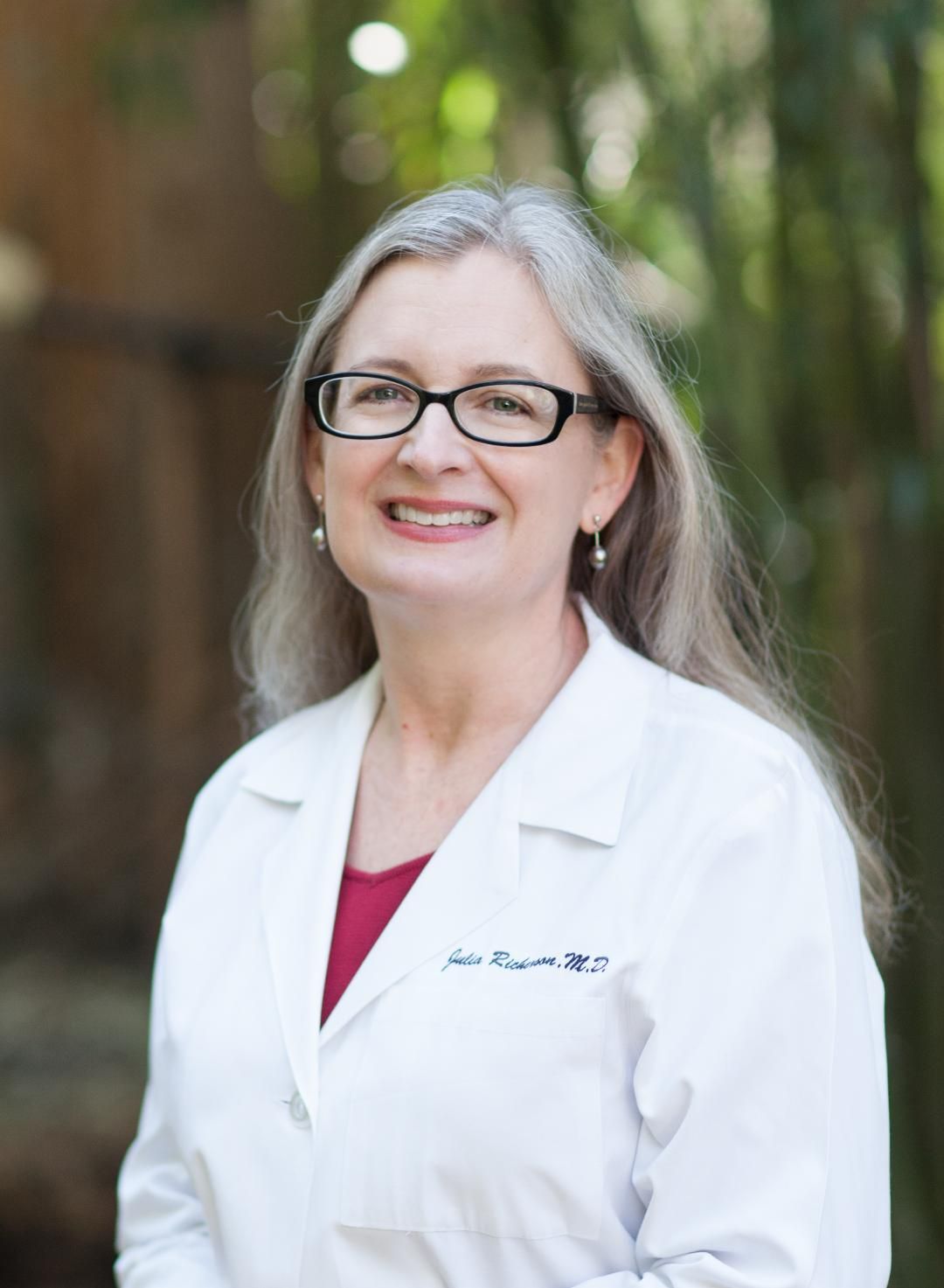
“I use electronic resources to find patient education, to look up current treatments, and research complicated diagnosis,” she noted.
“I feel that having the computer in the room isn’t a barrier to communication with my patients and families. Using the EHR doesn’t take me more time to see a patient,” she said. “However, the review of consult and ER records is harder and takes longer to complete. Consult, ER, and other outside records are much larger with the key clinical data more disorganized and harder to find among the pages and pages of nonrelevant content. This makes the workday much longer.”
The conditions that take up most of a pediatric office visit have changed as well, and include more complex medical, behavioral, and social issues, Dr. Richerson observed. “Obesity, ADHD, autism, complications of prematurity, behavioral health issues, developmental delays, and asthma are commonly seen in practice now. One in five children nationally have a chronic illness or special health care need. And we strive to help ease the challenges for families struggling with economic insecurity, and children growing up experiencing significant adversities.”
The office and the EHR
EHRs are a fact of life in all specialties today, but should not get in the way of interacting with patients, Dr. McInerny said. Many pediatricians complete their medical records after hours at home because they don’t have time to complete them in the office.

