
Lowering readmissions means getting to know your SNF


When hospitalists at Northwestern University in Chicago began working on reducing hospital readmissions from post-acute care facilities, it didn’t take long to realize that they didn’t know that much about what actually goes on inside a skilled nursing facility.
So they began a "field trip" program in which interested hospitalists could visit some of the skilled nursing facilities (SNFs) where they commonly refer patients. It was a chance for the hospitalists to see firsthand the wide variation in nursing home staffing, the capabilities in terms of testing and treatment, and which facilities had specialty units for conditions such as heart failure or hip fracture.
"You have to engage the skilled nursing facilities," said Dr. Robert Young, a hospitalist at Northwestern who conducts research on post-acute care transitions. "That means you have to figure out what the skilled nursing facility looks like."
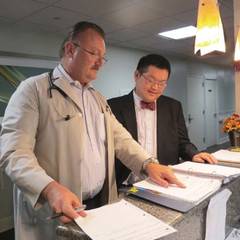
The field trips are important, Dr. Young said, because physicians only get a limited exposure to post-acute care settings during residency training. Physicians may have a "geriatrics week" in residency, during which they spend a small amount of a time at a SNF and take care of a few of the patients there, but it doesn’t provide a chance for a deep understanding of the setting, he said.
Northwestern is also pilot-testing an exercise in which their hospitalists will get a chance to see how their transfer instructions are translated into care. The experience has been eye opening so far, said Dr. Young, who is also a mentor for the Society of Hospital Medicine’s Project BOOST.
Before they arrive, the staff at the SNF de-identifies a set of transfer paperwork from the Northwestern hospitalists. Then the hospitalists are asked to write orders based on the information they provided to the SNF. "Usually, this knocks people’s socks off," Dr. Young said. "They say, ‘How am I supposed to admit the patient? I don’t know this, this, and this.’ "
The exercise was developed by Dr. Heather Zinzella Cox, the director of post-acute care services at IPC–the Hospitalist Company in Delaware. It’s one of the ways that Northwestern is working to improve the transition between the hospital and post-acute care settings such as SNFs.
Readmissions, ACOs drive change
The interaction between hospitals and SNFs is an area ripe for improvement. Data show that in 2006, the readmission rate for patients who were readmitted to the hospital from a SNF was more than 26%, compared with about 19% for patients who were readmitted after being discharged home (Health Aff. 2010;29:57-64). That means that preventing patient bounce-back from SNFs and other post-acute care settings is a real opportunity for hospitals to improve readmission rates overall and protect themselves from penalties from Medicare’s Readmissions Reduction Program. Starting in October 2013, the maximum penalties in the program will jump from 1% of base operating payments to 2%.
The good news is that SNFs are willing partners when in comes to reducing readmissions, said Dr. Amy Boutwell, president of Collaborative Healthcare Strategies based in Lexington, Mass. Not only do SNFs count on hospitals as a referral source, but Medicare officials have signaled that it won’t be long before SNFs will be subject to readmission penalties themselves, she said.
But readmission penalties are only a small driver in terms of what is motivating hospital administrators to look at the hospital-SNF relationship with interest. The bigger push is coming from Accountable Care Organizations, Dr. Boutwell said.
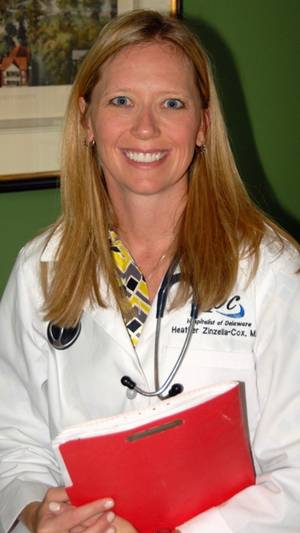
The medical directors of ACOs, who are charged with managing the total cost of care across settings, see readmissions from SNFs as one of the biggest opportunities for immediate savings.
"It makes a lot of sense strategically for the ACOs to say ‘we need to save money this year, where’s the first, best place,’" she said. "And one of the first, best places is in SNF readmissions."
Start talking to SNF physicians
Dr. Boutwell advises hospitalists who aren’t already actively engaged with their SNFs to start now. It’s not something that needs signoff from the CEO. "This is collaboration between providers over the care of shared patients," she said.
And it’s a leadership opportunity for hospitalists who are willing to step up and become a champion for reducing readmissions in this area, she said.
"If there’s one thing to start on it’s the hand-off to SNFs because they are motivated," Dr. Boutwell said. "They understand the landscape is changing."

