
Polio eradication faces unforeseen hurdle


To say that eradicating an infectious disease is a challenge is quite an understatement. It’s come tantalizingly close for polio, but now, with the killings last week of nine vaccinators in Pakistan, has the opportunity slipped away? Forever?
That’s a pessimistic thought, and forever is a long time, but the irony that this extreme antivaccine push back came just as the polio endgame was in sight is an enormous frustration. Which is not to minimize the chilling horror that nine vaccination workers for the World Health Organization and UNICEF were gunned down just because they were administering vaccine to Pakistani children.
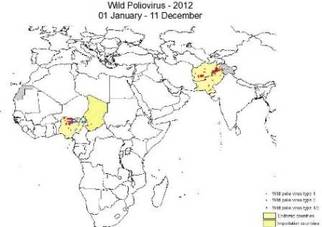
Until last week, the numbers had provided clear cause for optimism. Last February, WHO had removed India from the worldwide list of countries where polio was endemic, leaving just three countries on the list: Pakistan, Afghanistan, and Nigeria.
As of Dec. 18, the Global Polio Eradication Initiative reported 214 worldwide cases identified to that time in 2012, down from 585 cases to the same date in 2011. In Pakistan specifically, the GPEI had tallied 56 cases by mid-December, down from 175 at the same time the year before.
On Nov. 30, a statement from the Centers for Disease Control and Prevention confidently proclaimed that "we are closer than we have ever been to eradicating polio."
Last week, we moved substantially further away.
Several years ago, I heard Dr. D.A. Henderson, the legendary epidemiologist who led the WHO effort to eradicate smallpox, talk briefly about what a brutally uphill struggle eradication was, how he often doubted whether it would ever be achieved. More recently, he observed how polio eradication posed a much tougher challenge than smallpox.
The recent Pakistan killings added yet another road block to what has been a 60-year slog against polio, ever since Jonas Salk developed his vaccine.
How much longer will it take? How many more barriers will need surmounting before a second infection becomes eradicated?
--By Mitchel L. Zoler (m.zoler@elsevier.com;Twitter @mitchelzoler)