Tejaswini Kulkarni, MD, MPH, FCCP Associate Professor of Medicine Director, Interstitial Lung Disease Program Division of Pulmonary, Allergy and Critical Care Medicine The University of Alabama at Birmingham Birmingham, AL
Slideshow below.
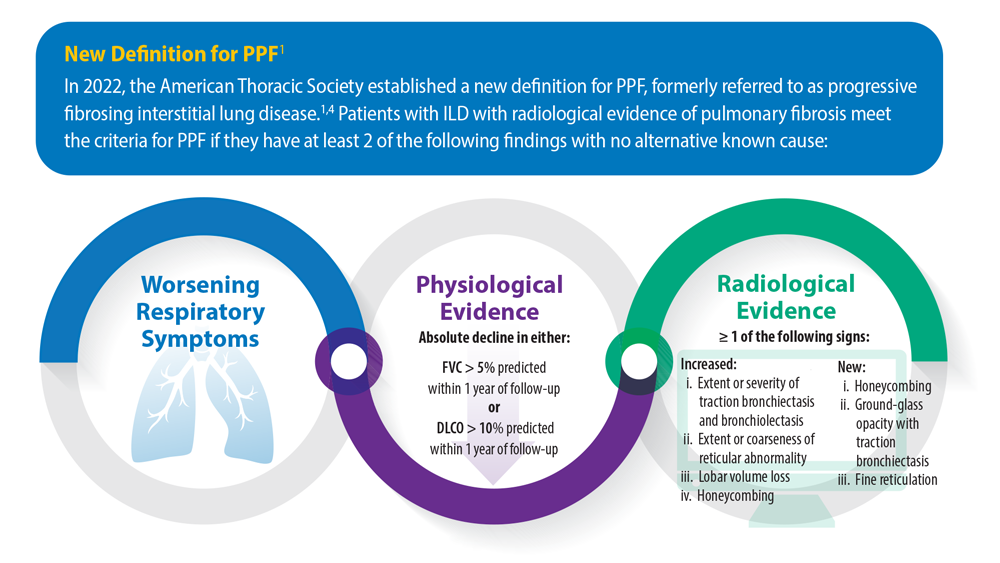
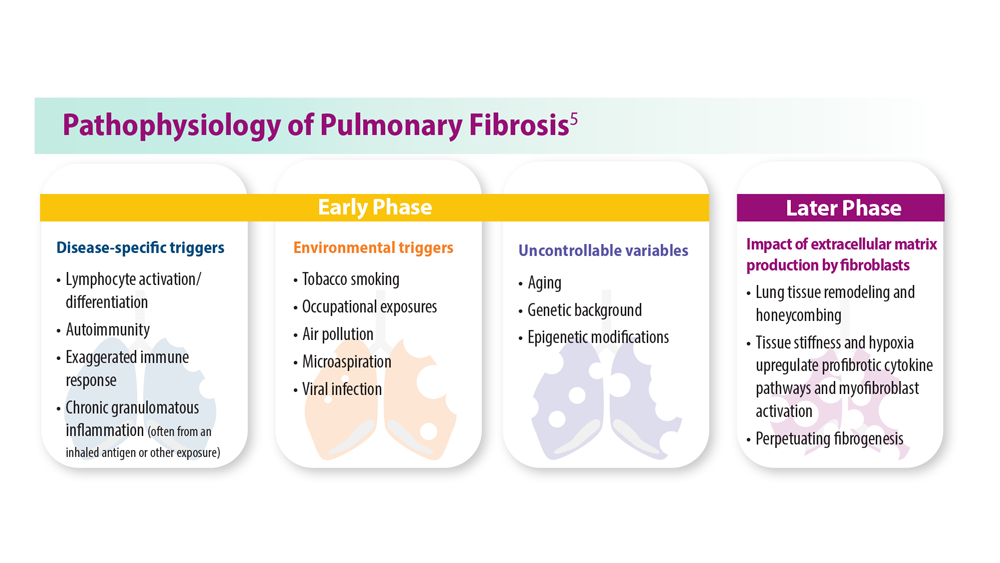
The updated idiopathic pulmonary fibrosis guideline from the American Thoracic Society, European Respiratory Society, Japanese Respiratory Society, and Asociación Latinoamericana de Tórax was based on multiple clinical trials and includes many different disease manifestations. The intention of the update is to more accurately monitor disease progression to help inform therapeutic decisions for our patients.1 ILDs most likely to develop a progressive phenotype include idiopathic, nonspecific interstitial pneumonia; unclassifiable ILD; fibrotic hypersensitivity pneumonitis; and ILDs associated with autoimmune disorders.2 Management of progressive pulmonary fibrosis (PPF) is far from a “one size fits all” approach. Many variables need to be better understood, such as how different disease etiologies progress, the role of comorbidities, and the best timing and sequence of therapy including escalation in immunosuppression and/or antifibrotic agents for different patient profiles.1,3