
“Strong Medicine for America” elicits strong opinions: I am not a “provider”


Your letters in response to our editorial* about the “Strong Medicine for America” effort by the AAFP brought to light the tie that binds all of us, irrespective of our varying personal perspectives—dedication to providing the best care available
Jeff Susman, MD, Editor-in-Chief
J Fam Pract. 2008;57:148
For many years, physicians were the number 1 respected profession. Last year, we were number 3. Most of us provide good service, including preventive medicine. A study recently found fewer missed cancer diagnoses in rural, small practices.1 Yet instead of concentrating on medical developments at CME meetings, we must spend our limited time learning coding and electronic records. Patients are charged for the same item or service depending on their insurance, Medicare, etc, with the uninsured (who can least afford it) paying the most. The AAFP and other organizations have a big job to do. By making good care available at a reasonable price, including in urgent and emergency care, we can raise our image more than with ads and slogans.
We are physicians, not “providers”!
Marvin Clark, MD, Tucson, Ariz
When the new residents start the next academic year, it will be 60 years since the unforgettable photo essay, “Country Doctor,” was published in Life magazine, Sept. 20, 1948. It still evokes the essence of the hardworking “GP” who was called on to care for patients from birth to their last breath. The photographer, W. Eugene Smith, spent weeks with Dr. Ernest Ceriani, who cared for patients in and far beyond the small town of Kremmling, Colo. “Country Doctor” is an enduring portrait of the family physician. This issue presents some of the iconic images from “Country Doctor,” in tribute to family medicine’s legacy.
Linda K. Hengstler, Editorial Director
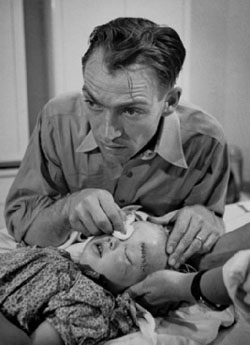
Dr. Ernest Ceriani, in the hospital emergency room, has just stitched up the head of a 2-year-old girl after she was kicked by a horse
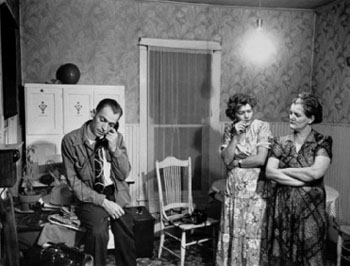
In the kitchen, the doctor telephones a priest, with the information that the patient may not survive the night
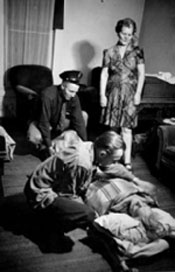
Dr. Ceriani, summoned to a rooming house at midnight, wraps a blanket around a critically ill elderly man, as a policeman prepares to take the patient to the hospital
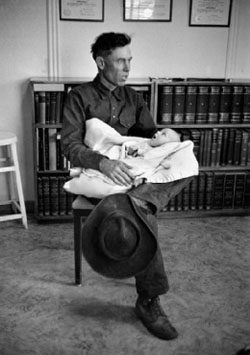
A father holds his infant son as he waits in the doctor’s office for the baby’s check-up
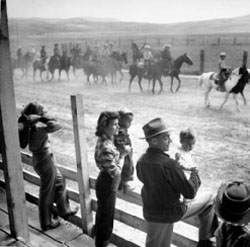
A day at the local rodeo with his wife and young sons would soon be interrupted when a cowboy is injured in a fall from a bronco
