
Leaders: Hospitalist Advises: Don't Waste Time Preparing for Change


Dr. Matthew Schreiber is no stranger to change.
A decade ago he was a primary care physician in rural Georgia. By 2007, he was managing the hospitalist program across the Piedmont Healthcare system in Atlanta. And today, he is the chief medical officer at Piedmont Hospital, the system's flagship facility. Along the way he has implemented systems changes aimed at improving care and satisfaction.
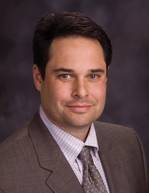
"My advice is to do something different - wrong," Dr. Schreiber said.
His take is that most people spend too much time and energy preparing for change and then analyzing data. But more time needs to be spent actually changing behavior and verifying that the change has been effectively implemented. "I'd rather see us make a change without having any data or any infrastructure," he said.
Sometimes you can tell if something is going to work just by whether you see a smile on the face of a patient, he said.
Smiles aside, Dr. Schreiber and his team at Piedmont Hospital have seen measurable improvements in length of stay and readmissions following a series of systems changes they implemented beginning in 2008.
Shortly after taking over as the director of hospitalist services for the Piedmont Healthcare system, he set up a sort of experimental hospitalist unit at Piedmont Hospital where he could test a series of changes. The primary outcomes were length of stay; readmission rates; and the satisfaction of patients, physicians, and staff.
"That was really a commitment to re-engineer the patient experience from door to discharge from a patient-centered view," he said.
Among the successful changes was a switch to having geographically designated hospitalists, changing hospitalist schedules, and shifting responsibilities. Dr. Schreiber also became involved in Project BOOST (Better Outcomes for Older adults through Safe Transitions). The quality improvement project addresses the discharge process so that patients experience fewer readmissions and lower mortality rates. The project, which is coordinated by the Society of Hospital Medicine, is being touted as a way for hospitals to get up to speed on forthcoming Medicare requirements to reduce readmission under the Affordable Care Act.
Being a part of the BOOST project was a big help, Dr. Schreiber said, because it allowed him to use a set of evidence-based tools designed by experts, rather than having to re-engineer the discharge process from scratch.
When the BOOST program was implemented at Piedmont Hospital in September 2008, the length of stay in the hospitalist unit was 5.83 days, but has dropped to 5.17 days on average today. Similarly, readmission rates dropped from 13.1% to 4.0% among patients under age 70. For patients age 70 and older, the readmission rate started at 15.9% and dropped to 11.2%.
Achieving these outcomes wasn't easy, Dr. Schreiber admits. But strong leadership and communication helped overcome resistance to change. Getting on board with changes that improve the discharge process and reduce readmission rates will be essential for hospitalists who want to thrive in the post-health reform environment, he said. "Readmissions are going to be the next big thing."