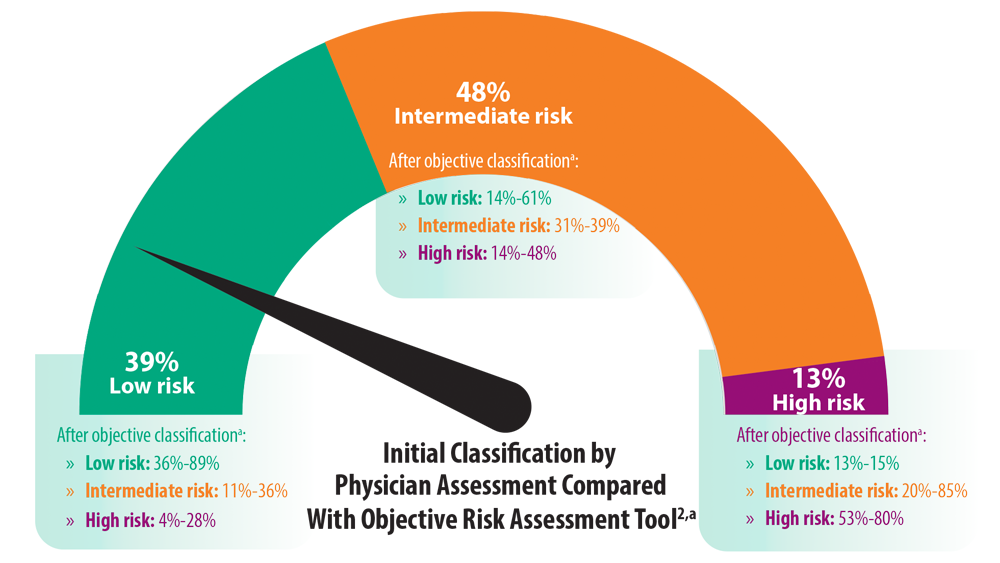
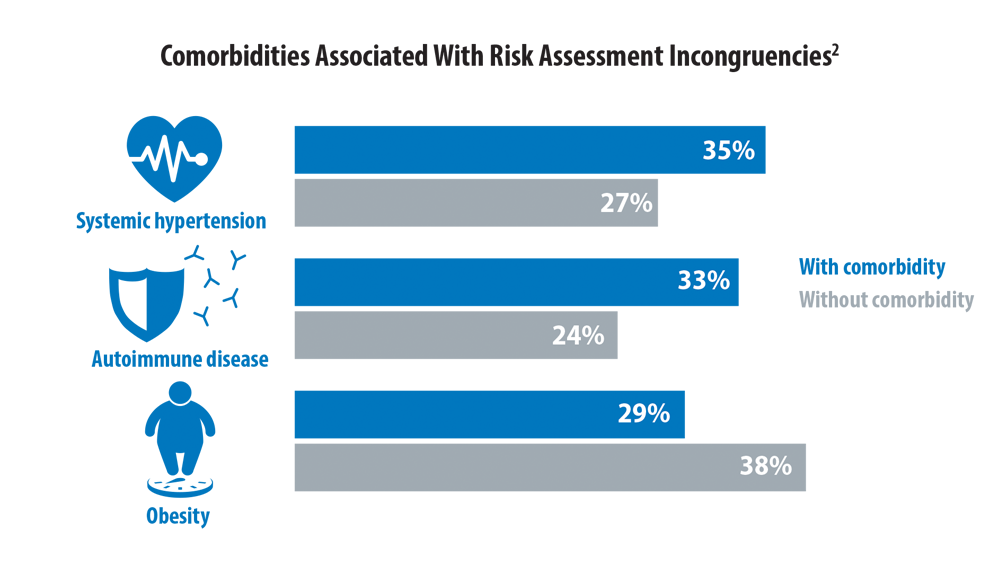
Properly assessing risk level at the time of diagnosis and follow up is crucial for understanding each patient’s case, identifying modifiable barriers and the most appropriate treatment options, and, ultimately, optimizing survival outcomes for pulmonary arterial hypertension (PAH). Despite the variety of risk assessment tools and electronic medical records at clinicians’ disposal, these resources remain underutilized.1
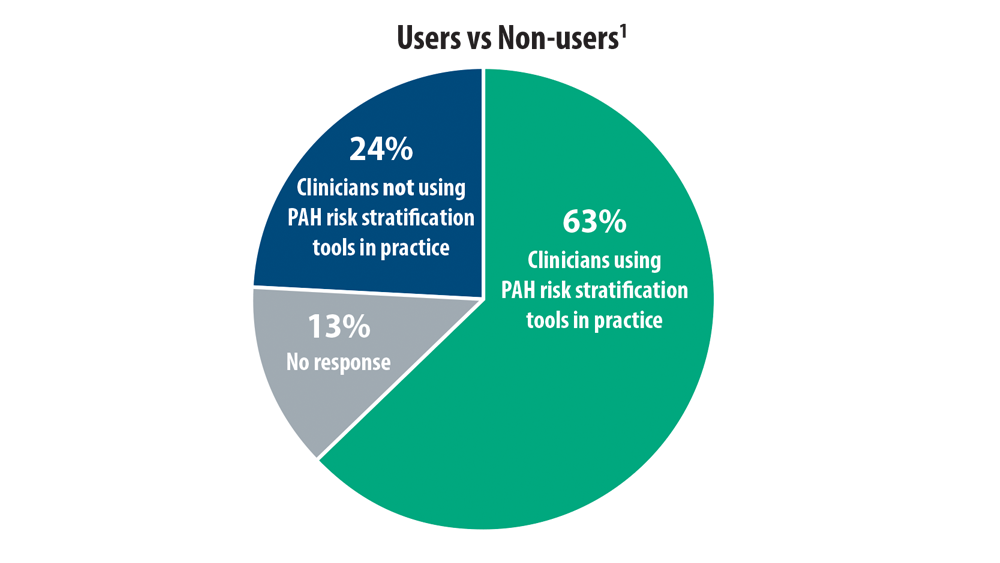
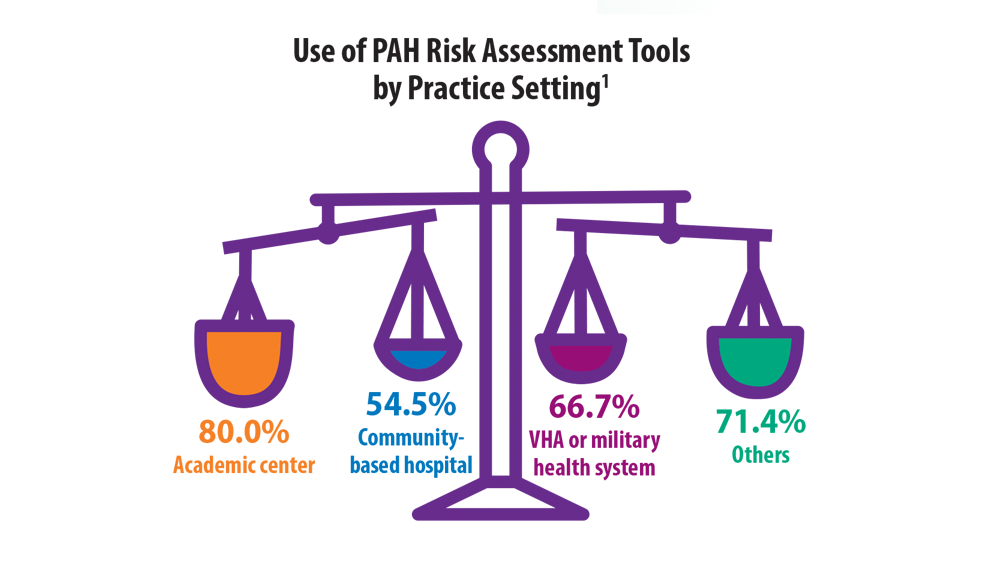
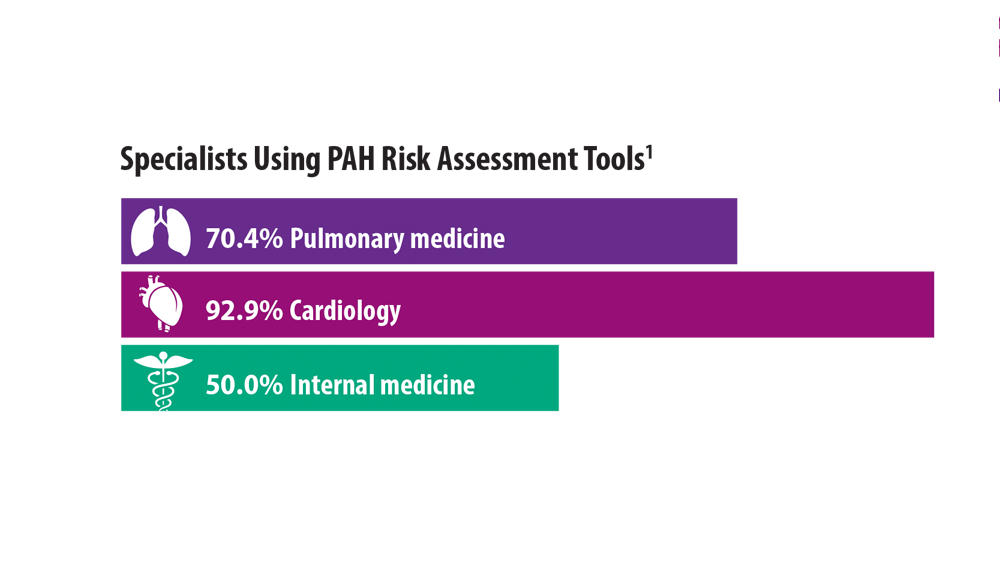
A survey, designed by CHEST’s Pulmonary Vascular Disease section of the Pulmonary Vascular and Cardiovascular Network, asked members to share insight into their use and perceptions of PAH risk assessment tools in clinical practice. Although the ability of proper risk assessment to greatly improve patient care has been demonstrated in the literature and is recommended by most clinical guidelines, the results of this survey revealed that more than one-third of specialists were not using guideline-recommended risk tools to assess PAH, and only 7% reported that risk assessment tools impacted their treatment decision in new patient care and evaluation.1-4
There is a lack of consensus in patterns of risk tool use among physicians, with 58% reporting that they use more than one tool. In addition to continued clinical research to support the use of available tools and the development of new ones, clinician education programs can help increase the positive impact that risk assessment has on patient survival and other outcomes.1,5