Cystic fibrosis is a deadly genetic disorder, affecting 80,000 people worldwide.1,2 The disorder is caused by mutations in the cystic fibrosis transmembrane conductance regulator (CFTR) gene.2 This gene codes for a protein that creates epithelial channels in the respiratory track, along with other organs. Mutations in this gene can create improper ion balance, leading to thick and sticky mucus that blocks airways in the lungs and contributes to infections in people with CF (pwCF).1
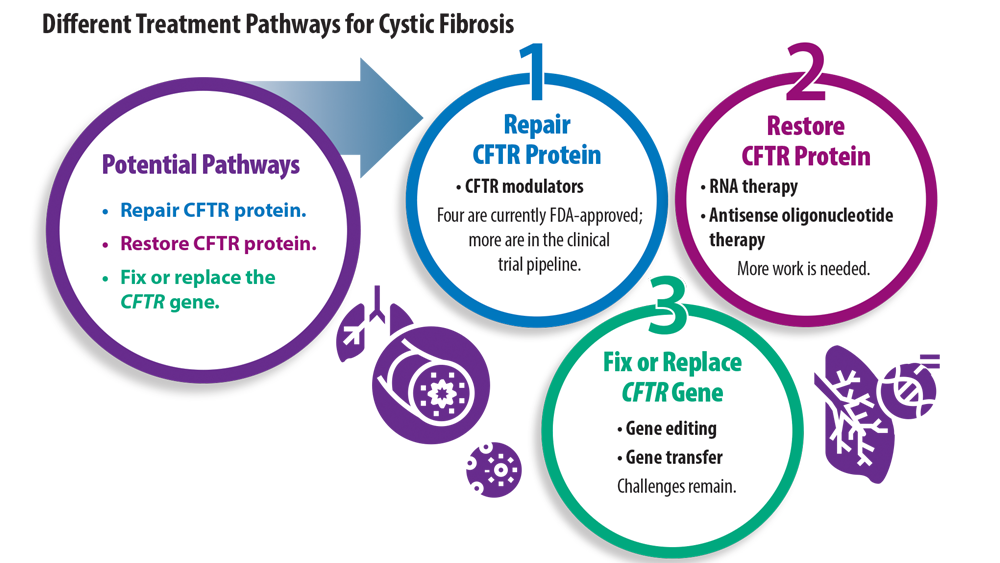
Currently, there is no cure for cystic fibrosis, but newer research is looking into modulating the CFTR gene from multiple pathways by repairing, restoring, or replacing the CFTR protein.1,2 At this point, CFTR modulators are the most promising new treatments for cystic fibrosis.
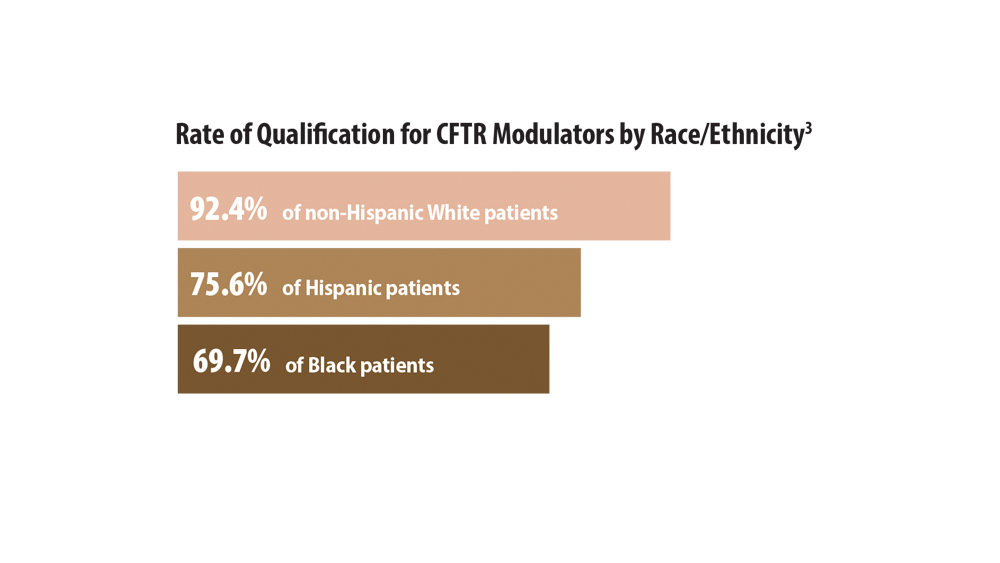
CFTR modulators involve repairing the CFTR protein made from this gene. To qualify for treatment with this class of drugs, people with cystic fibrosis need to have certain CFTR mutations. Fortunately, approximately 90% of pwCF qualify for CFTR modulators.1,2 Due to this, the Cystic Fibrosis Foundation is working on finding alternative therapies that are listed below.1