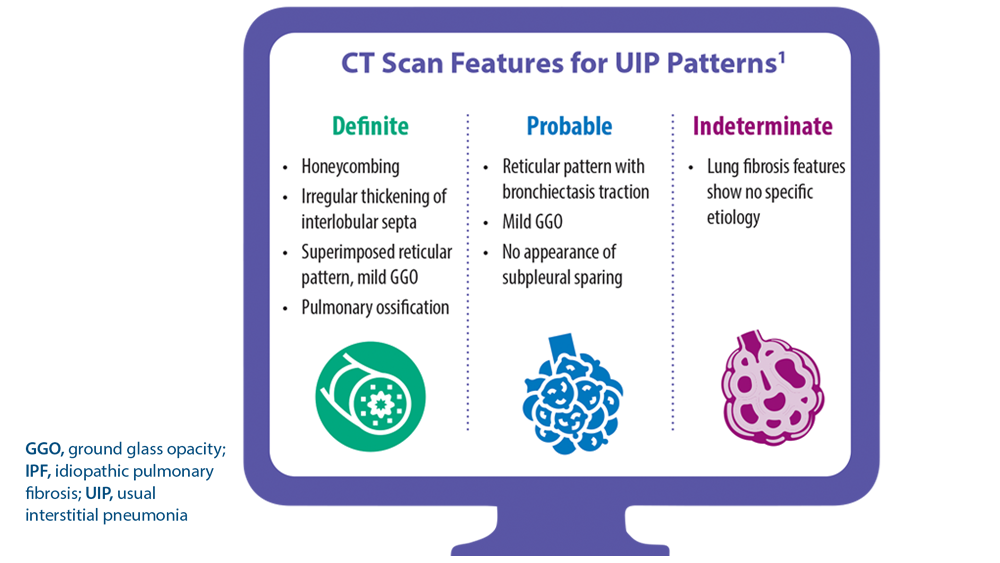
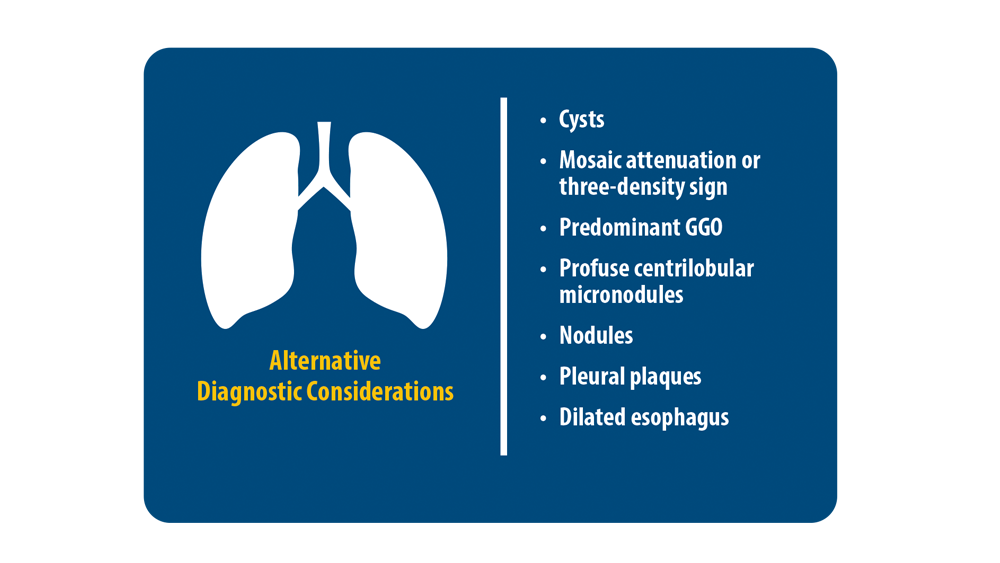
When navigating the multiple layers of interstitial lung disease (ILD), new American Thoracic Society (ATS) guidelines recommend a diagnostic approach through the lenses of radiologic progression, worsening symptoms, and physiologic progression. An interdisciplinary approach to diagnosis and treatment of patients with ILDs is key for informed decision-making and for optimizing outcomes.1 Also, guidelines presented by CHEST on ILD dive deeper, addressing diagnostic decision-making, evaluation, gaps, challenges, and risk management failures, as they specifically pertain to hypersensitivity pneumonitis.2
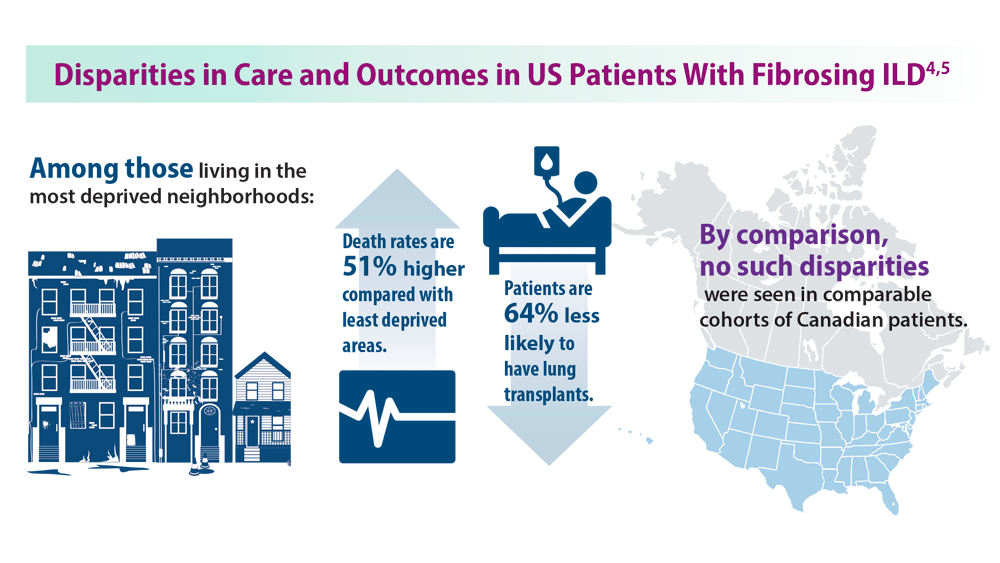
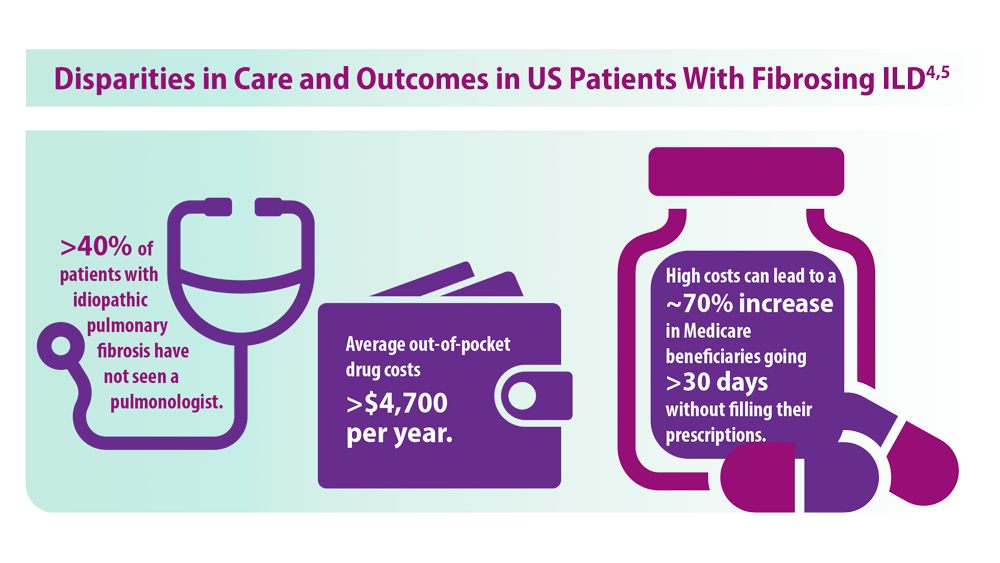
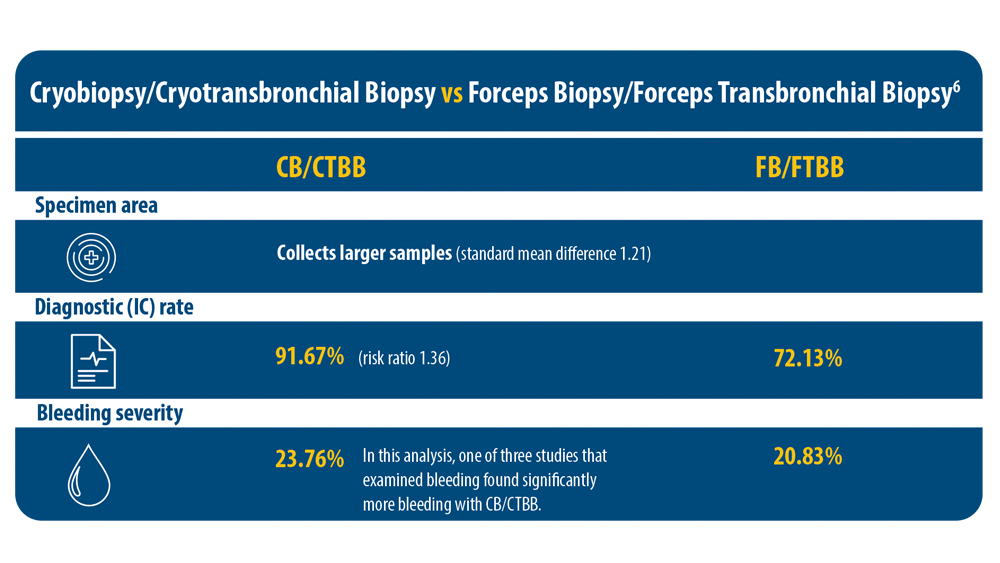
Radiologists, pathologists, and pulmonologists look at newer methods of ILD diagnosis–such as transbronchial lung cryobiopsy and genomic classifiers–from a systemic point of view and utilize artificial intelligence to explore new techniques that may be beneficial to patients.3 Additionally, characteristics associated with health disparities, inequities, social determinants, and neighborhood-level disadvantages all affect patients and show clear differences in access to care in the United States.4
Given the nature of ILD, patients may experience disease progression culminating in the need for lung transplantation or in death from their disease.1,4 Ensuring proper care for patients with ILD is an urgent priority for pulmonologists. With further research and, hopefully, with changes to how we approach ILD care in society, our goal is to eradicate these socioeconomic disparities, so patients receive proper diagnosis and care.