Advances in Lung Cancer Diagnostics and Treatment



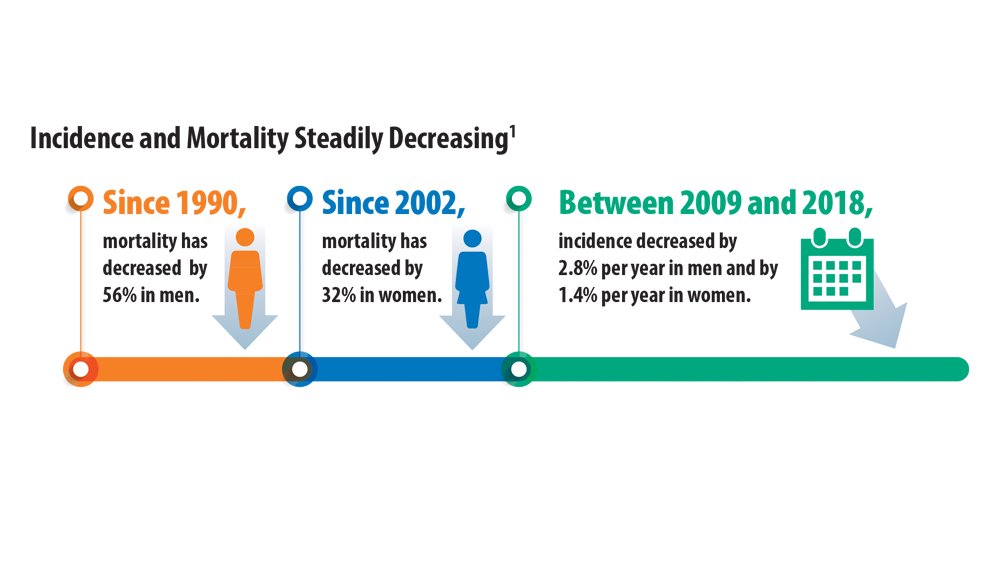
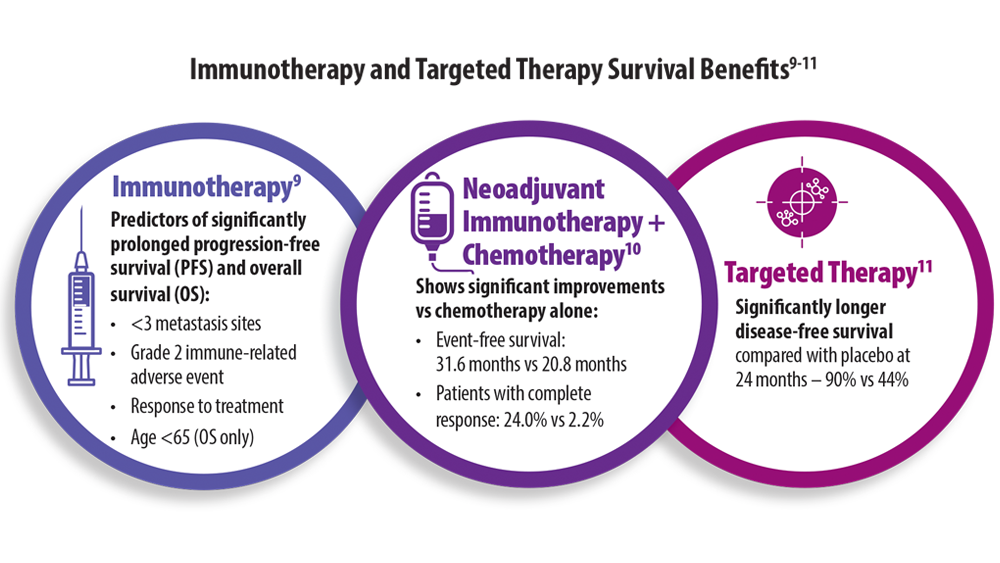
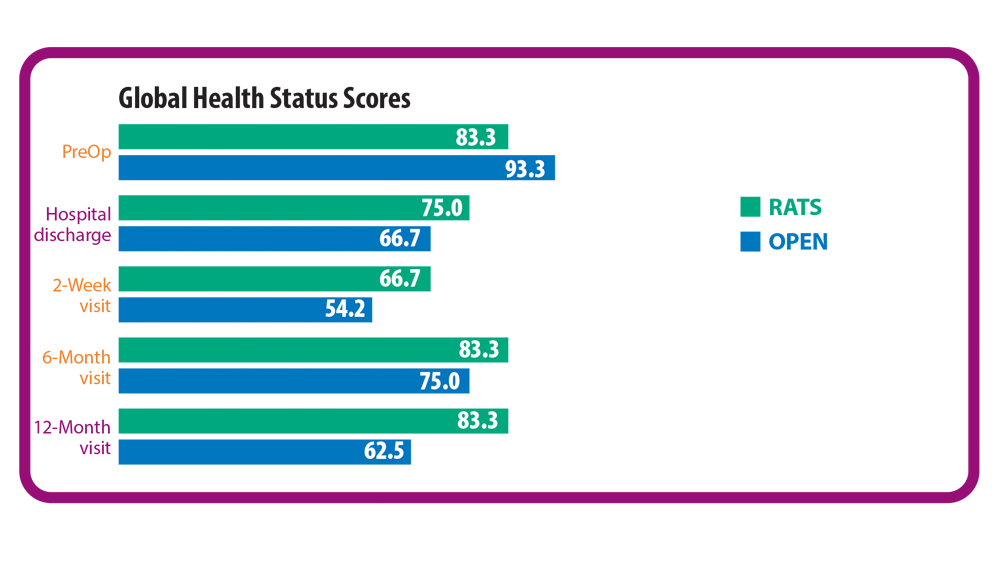
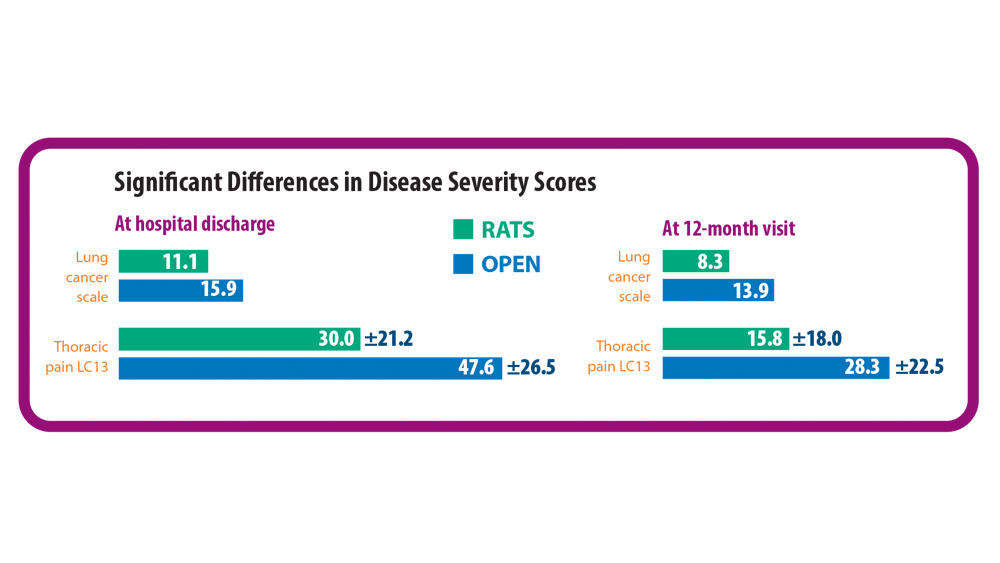
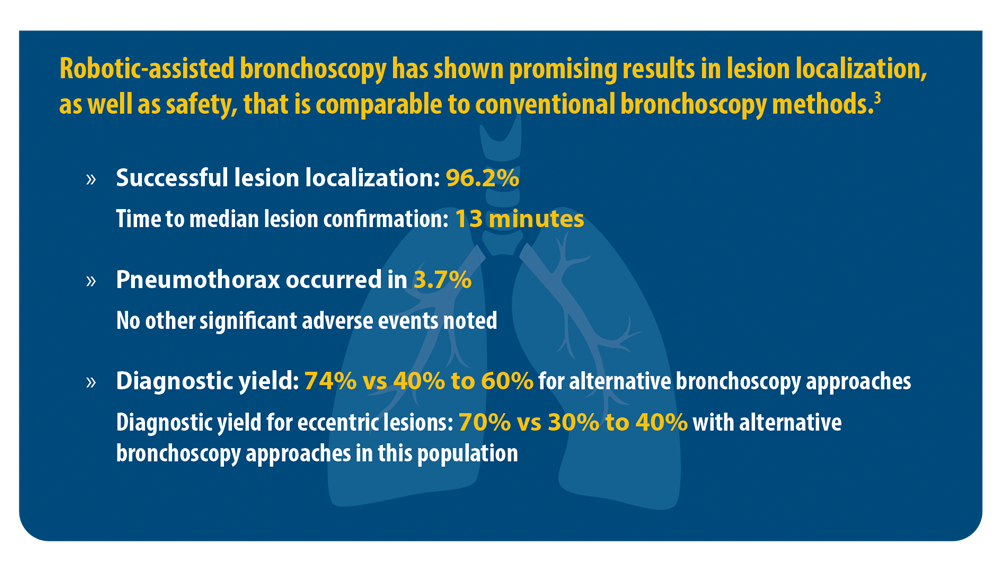
Lung cancer remains the leading cause of cancer death worldwide, killing about three times as many men and women as prostate and breast cancer, respectively. The introduction of targeted therapy and immunotherapy has markedly increased survival rates over the last decade.1 Robotic technologies at both the diagnostic and treatment stages have shown promise for the management of lung cancer in these patients.2,3 Smoking rates have also been steadily declining in the United States—from 20.9% in 2005 to 12.5% in 2020.4
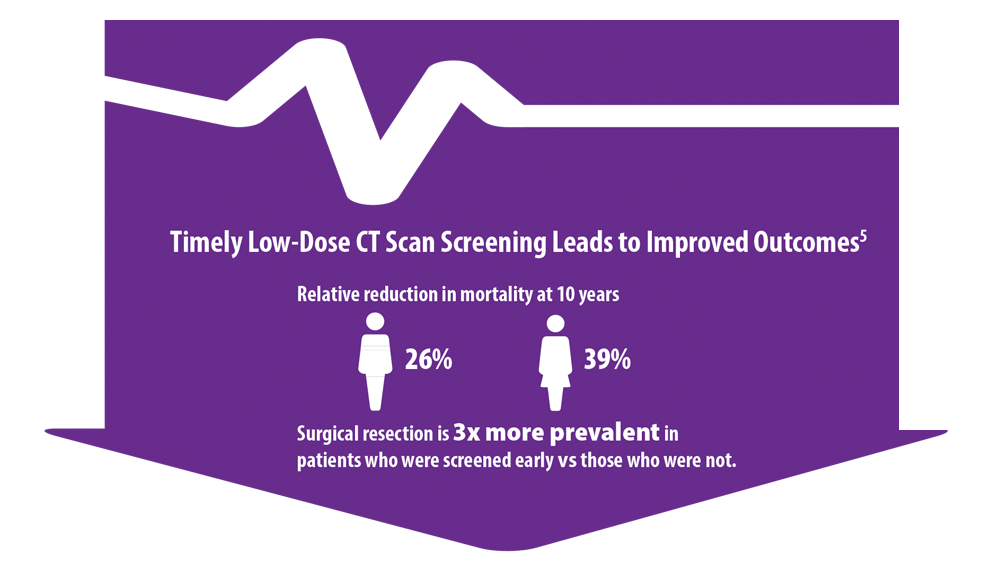
Based on these combined factors, the fact that lung cancer continues to outpace others in terms of cancer incidence and mortality may not be entirely due to a lack of innovation or improvement in health behaviors. A remaining piece of the puzzle might be sufficient uptake in screening among high-risk adults. Identifying lung cancer before it progresses beyond stage I significantly improves 5-year survival rates, but few patients are diagnosed that early.5 The US Preventive Services Task Force, CHEST, and other organizations updated screening recommendations in 2021 to include earlier low-dose computed tomography (CT) scan screening (age 50 instead of 55) and to include people with even less smoking history (from 30 pack-years to 20).6,7 Before these updates were made, it was estimated that about 4.5% of at-risk adults (aged 55-80 years) received a CT scan within the last year.8
We have yet to see what impact these guidelines will have in practice. Without physician awareness and patient education, it is likely that screening rates and the number of cases caught in early stages will stay low—despite the growing number of tools at our disposal.